Brand against brand · sold prices
TAG Heuer vs Tudor
Tudor's typical reference sold about $1,700 higher than TAG Heuer's over the last 90 days, with prices through Nov 1, 2026.
Updated sales through
The same measures, side by side
| Measure | TAG Heuer | Tudor |
|---|---|---|
| Typical reference (median sold price) | $1,800 | $3,499 |
| Sales, last 90 days | 83 | 1,398 |
| Cheapest reference | $750 | $1,335 |
| Most expensive reference | $6,829 | $5,000 |
| References with a measured 30-day change | 0 | 17 |
A reference's 30-day change is counted only when at least 10 sales fall in each 30-day window. An em dash means fewer than five references on that side have sales, so a typical price would not be fair to publish.
Each brand on its own index
Each index starts at 100 on its own date. The two levels are not comparable, so read each change on its own.
TAG Heuer price index
Set to 100 on Oct 23, 2026. The change shown is this brand's own.
Tudor price index
Set to 100 on Aug 14, 2026. The change shown is this brand's own.
The watches behind the numbers
The most-traded reference on each side, with its own median sold price and sales count.

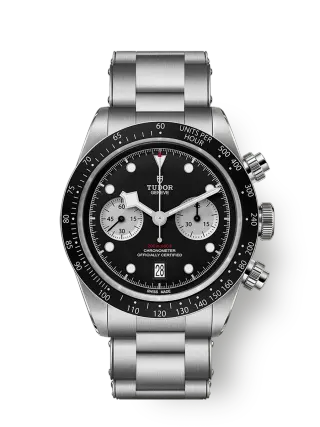
Every reference, with its own price history: TAG Heuer and Tudor.
How this comparison is made
Each brand's typical reference is the median of its references' own median sold prices, counting only references with sales in the last 90 days. Sales are the completed sales behind those same references. The cheapest and most expensive rows are the lowest and highest median among them.
This page compares measured sold prices and sales volume only — not quality, movement, design or which brand is "better". Figures are completed sales in USD, per-reference medians, excluding fees, shipping and tax.
Data through Nov 1, 2026 · All brand comparisons · Browse every brand · How the prices are collected